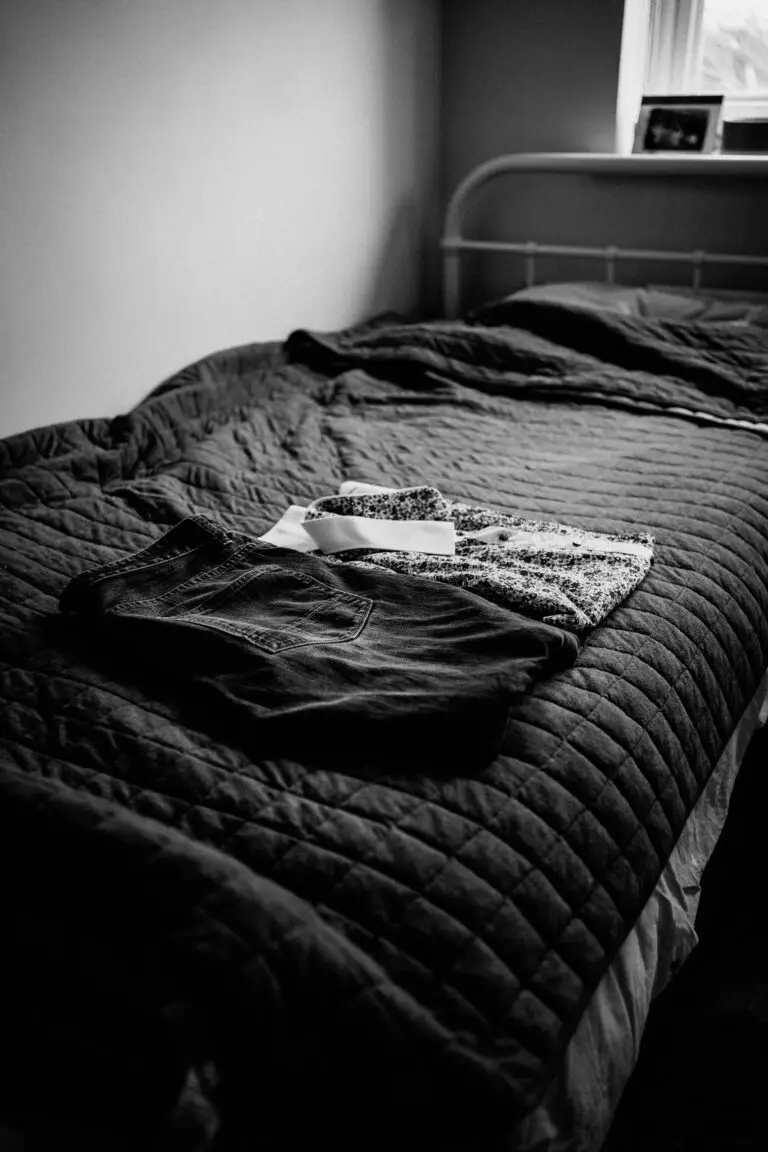
I had no freedom. I couldn’t even choose what I was going to wear. She did all of that.
She would leave clothes out on the bed for me. She even picked out what socks I would wear. I was more her fashion accessory. Just there to fit her image.
It’s humiliating when I look back at it. I couldn’t be me.
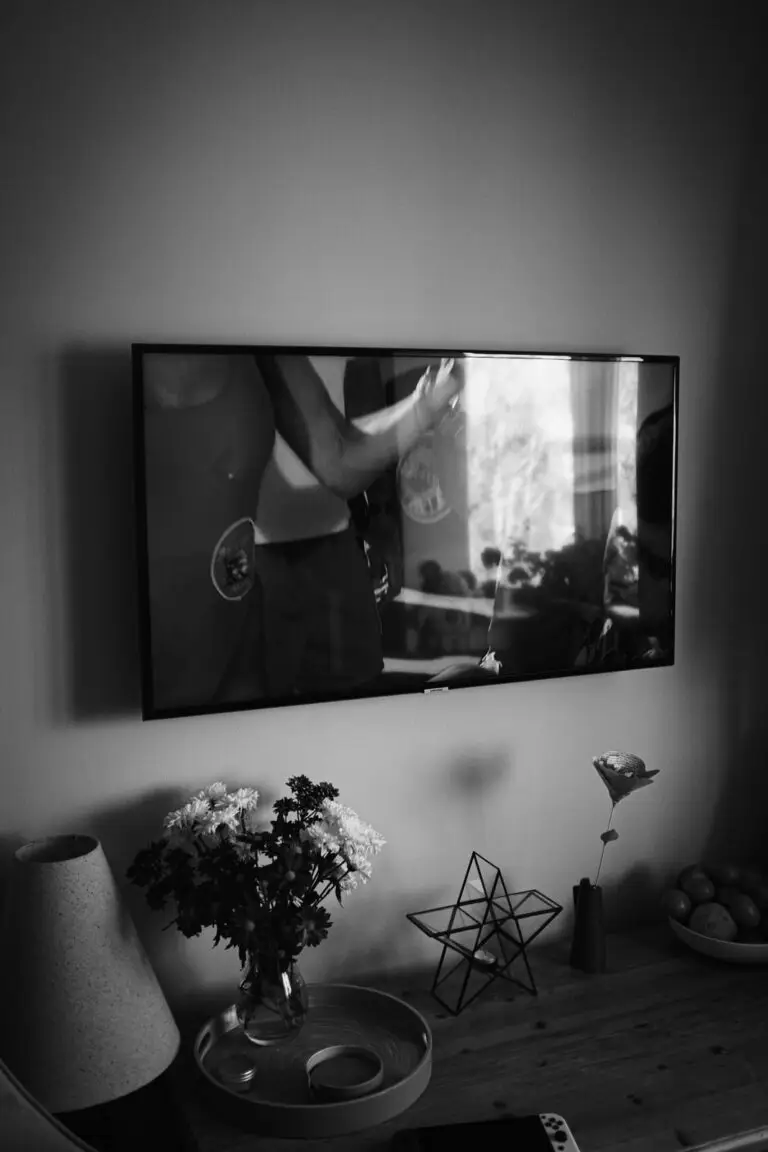
He would just sit there, glued to the TV screen. I tried to kiss him, but he didn’t even react. It was like I didn’t exist to him.
He made me feel invisible, unimportant, and unwanted.
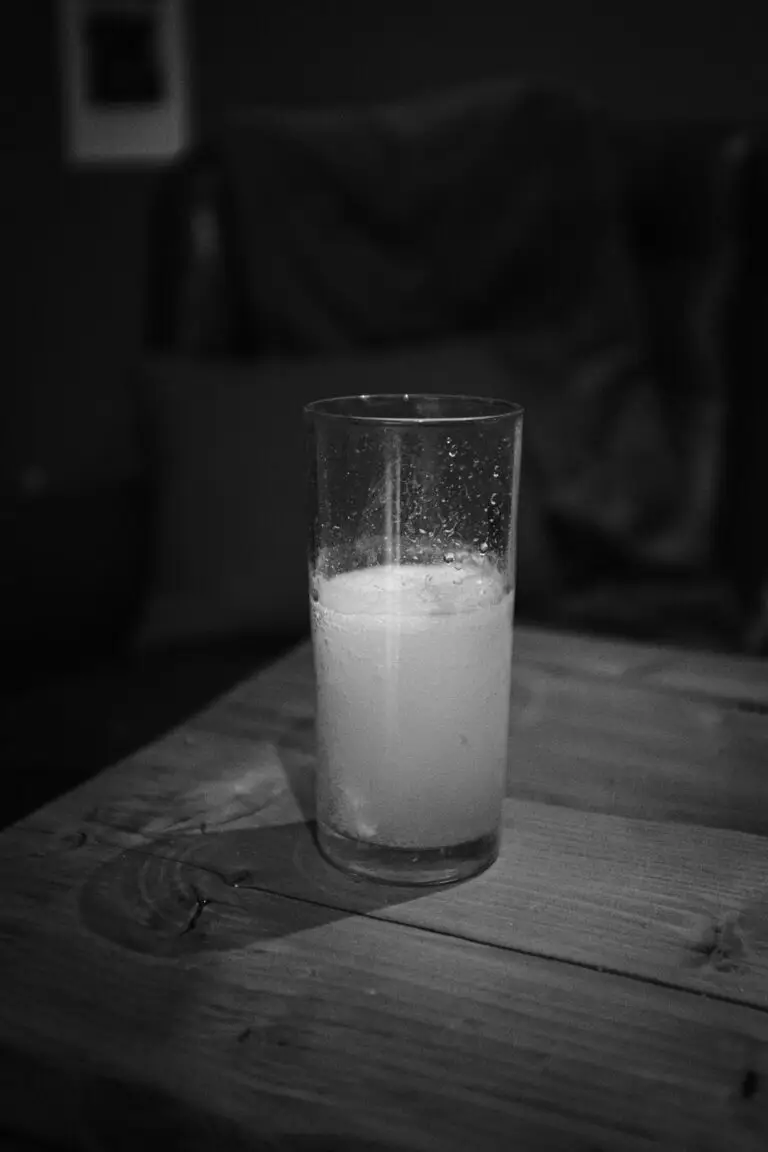
He would put sleeping powder in my drink. I’d wake up confused, not knowing what happened or where I was. Sometimes, I’d also feel pain, you know, down there. Maybe it was a good thing in a way, because I wouldn’t remember what he did.
But it still left me feeling violated and scared.
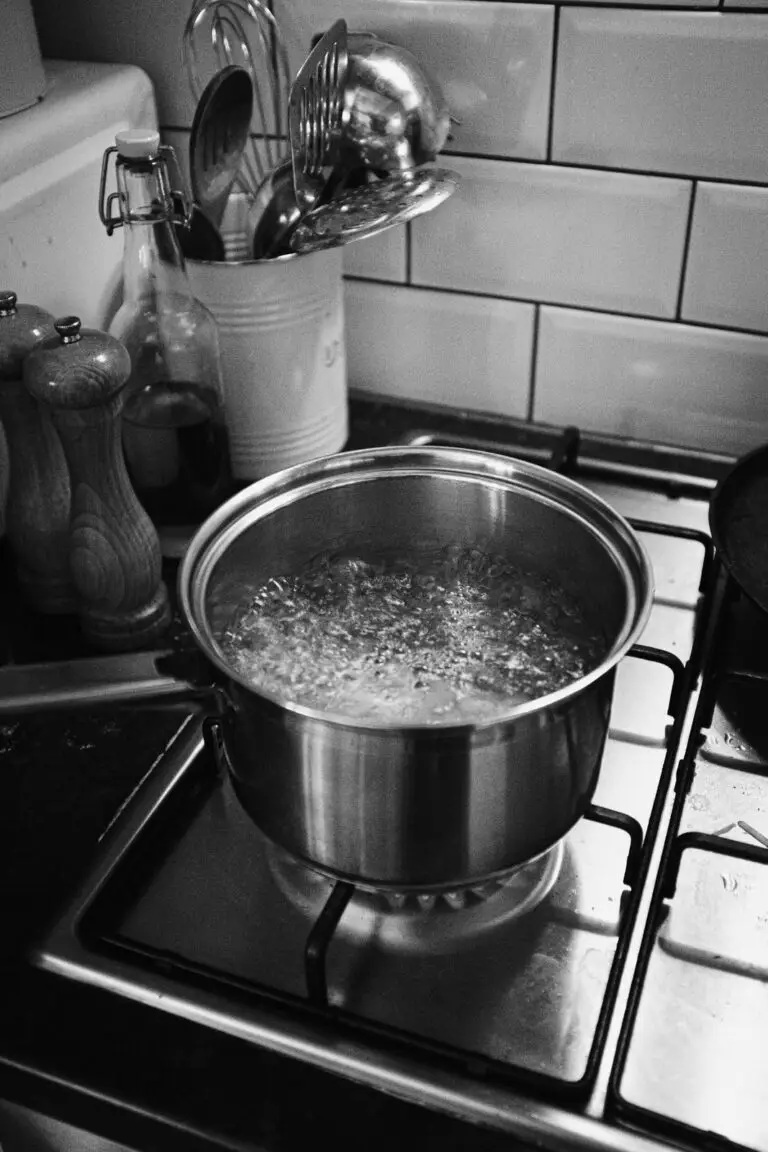
He boiled a pan of water on the hob. He kept telling me that I had to stop upsetting him. He said it over and over again, but wouldn’t say what I was doing.
Then he called the dog over and held it near the water. He kept telling me to stop upsetting him.
I couldn’t. I didn’t even know what I had done wrong.
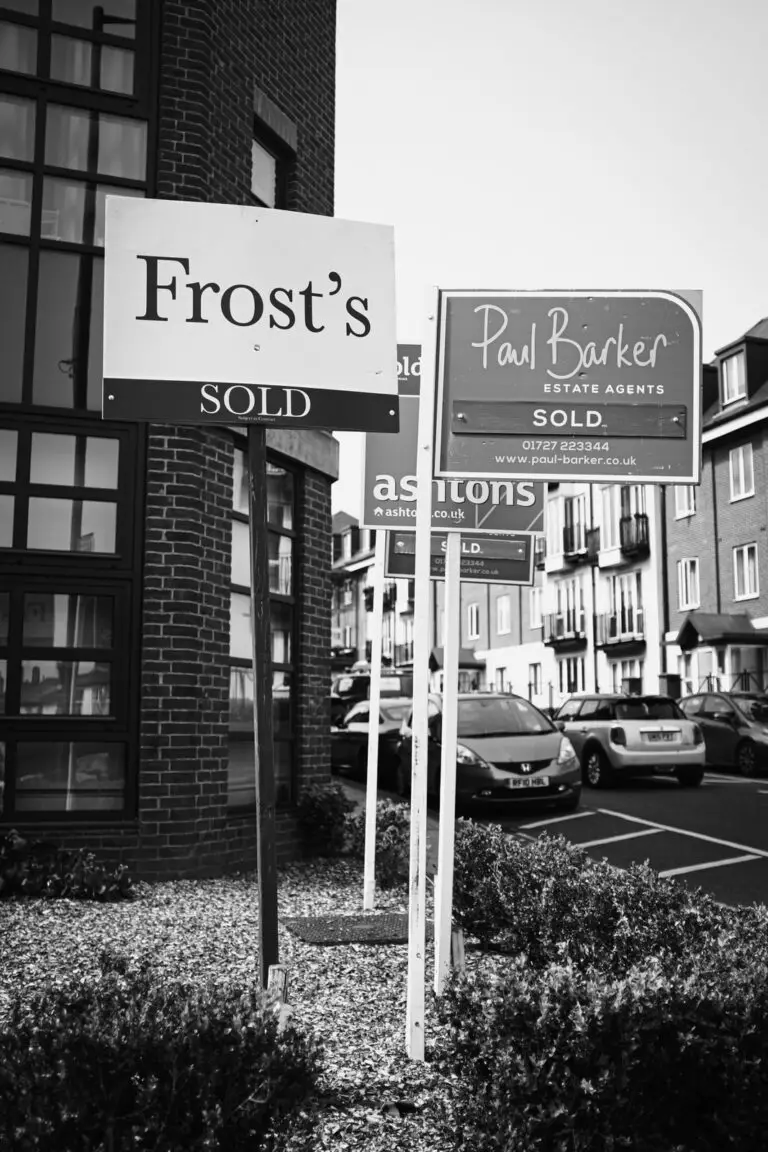
He didn’t even bother to ask. He just went ahead and sold our home, uprooting us from everything I knew. We left behind my friends and family, the people I relied on for support and love. It hurt so much.
He called it our “new life,” but it felt like he was tearing me away from everything that mattered. It left me feeling lost and alone, I had nobody else but him.
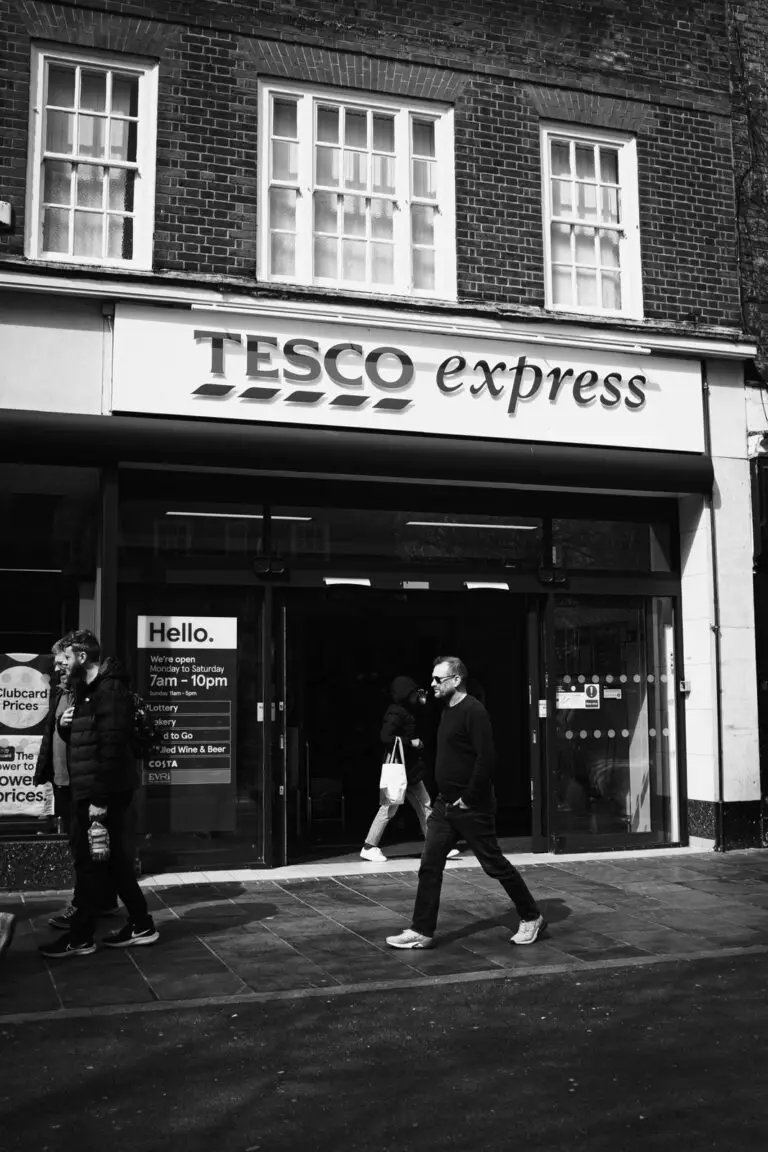
He always come with me to shops, never help, just follow me. He make sure I don’t stop to talk to anyone.
After shop, he watch me struggle with bags, tell me hurry up for TV.
It feel like I can’t do anything without him watching.
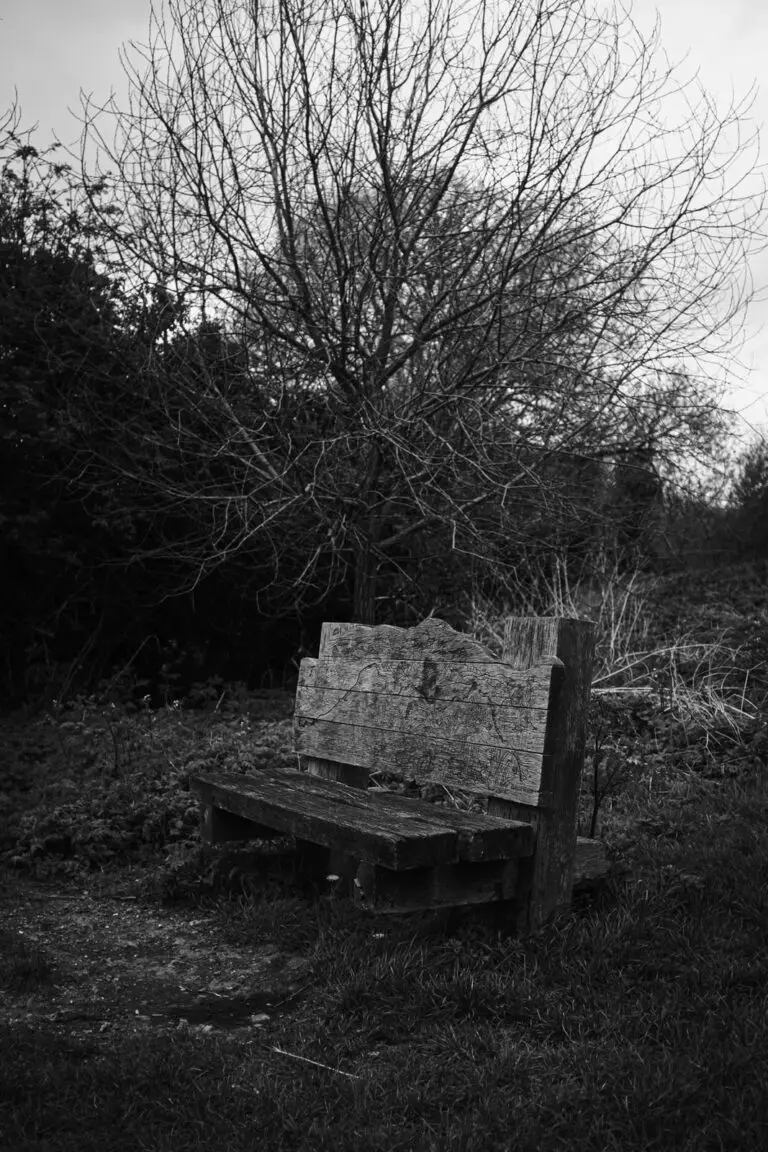
I loved that bench. It became my sanctuary, a place where I could find peace away from the chaos. I couldn’t stay for too long though, he would notice I was gone and come looking for me.
Those precious moments were all I needed. A sense of calm that I could hold onto.
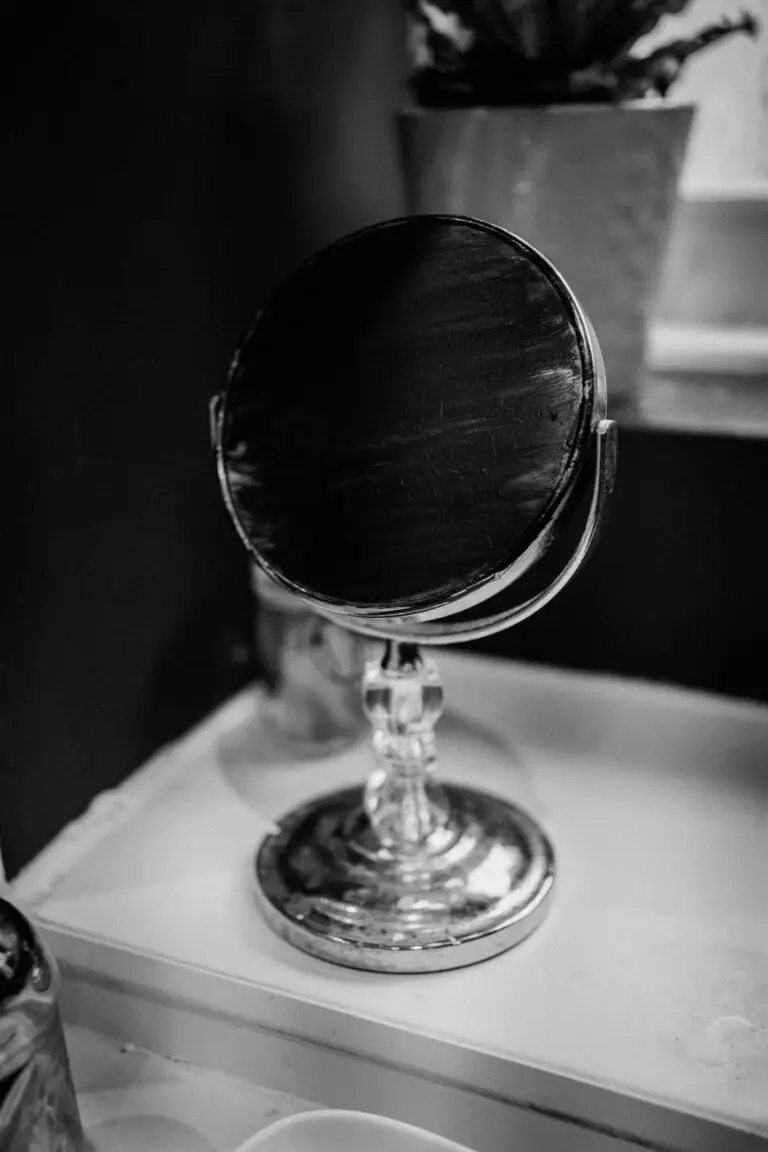
I painted the bathroom mirror with black paint. I just couldn’t face looking at myself anymore. He kept saying I was ugly every day. Not just once. Every time he looked at me he said it. I heard it so much I believed it. I couldn’t go out. I couldn’t even look at myself.
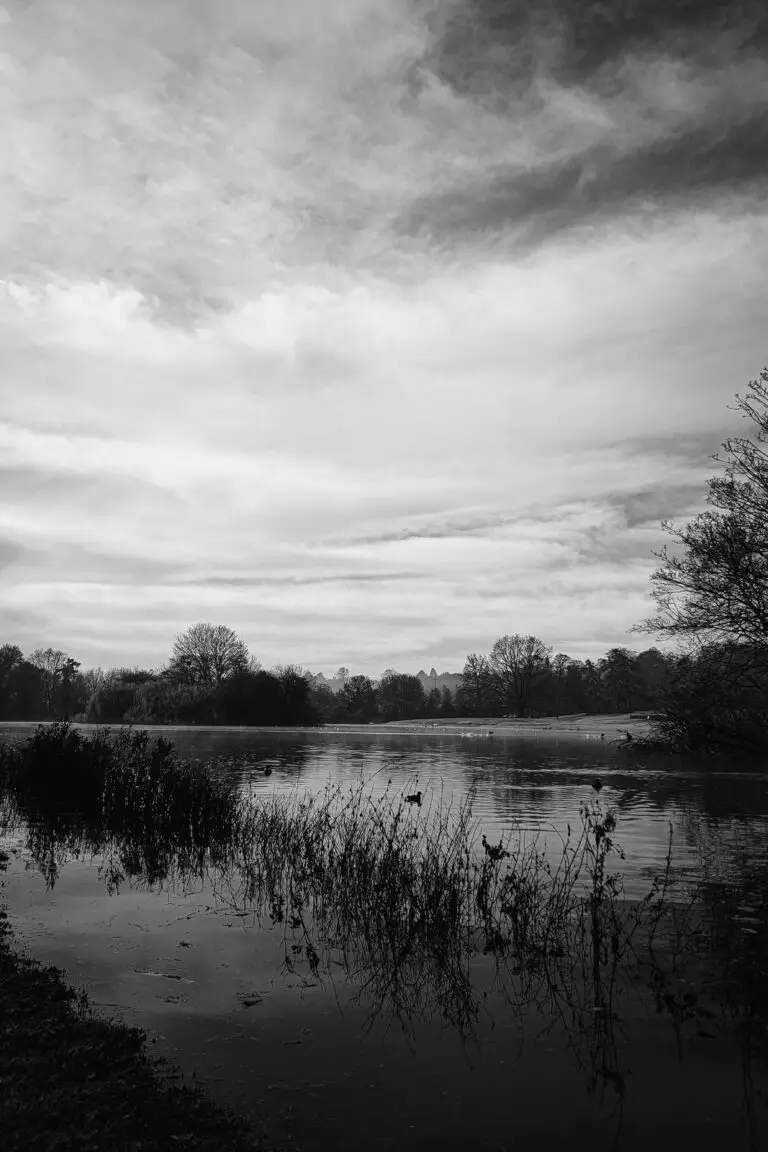
I would run and sit by the river. One day, I’ll be free, one way or another. Somewhere where nobody can hurt me.
Life is just too hard here. I don’t want to be here anymore.
I don’t want to be anywhere anymore.
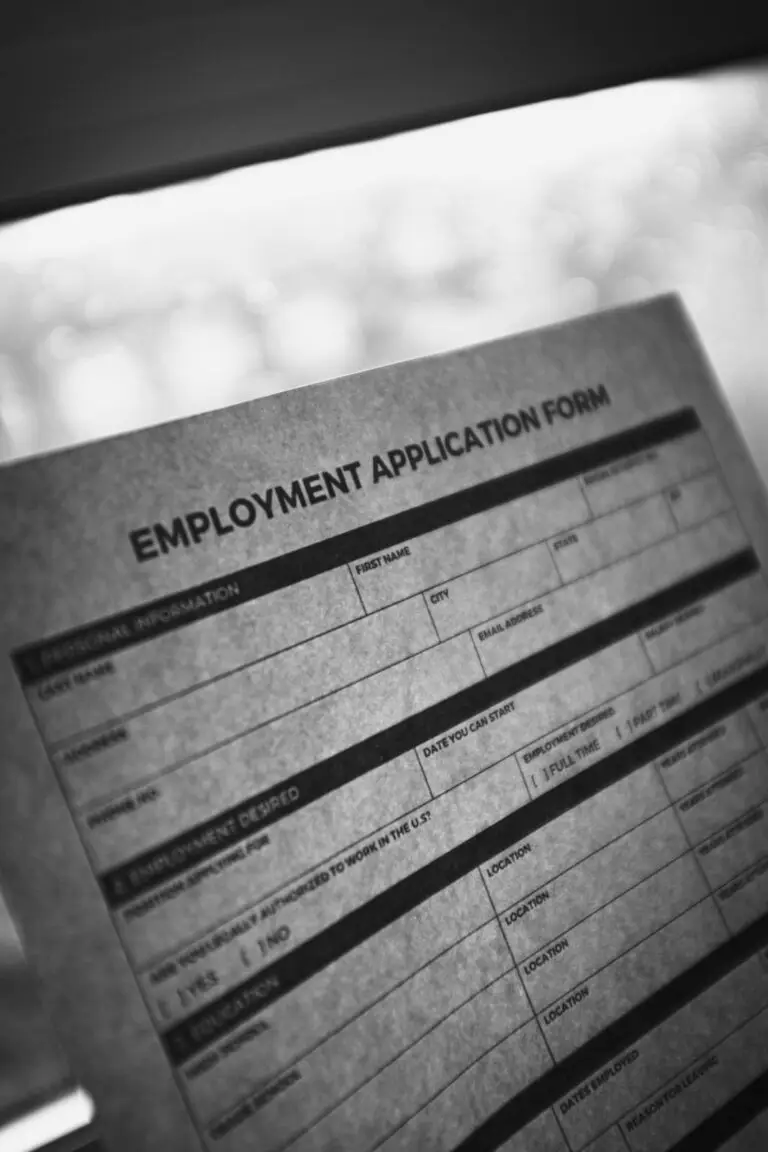
I wanted to apply for a job, nothing fancy, just working at the local shop. But he wouldn’t let me. He kept insisting that I should stay at home. All I wanted was to do something, to meet people, but he shut down all those possibilities.
It felt like he was holding me back from living my life, from being independent.
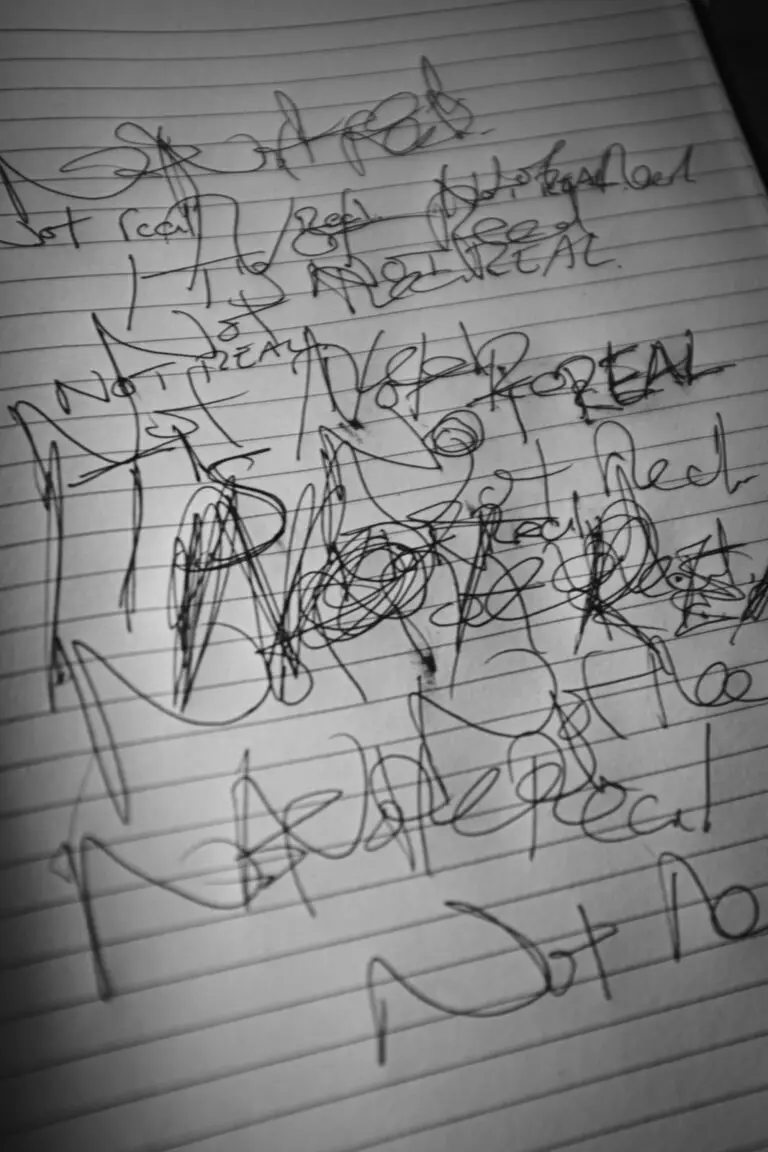
I remember having this page in my notebook where I scribbled ‘NOT REAL’ over and over again. He kept insisting I’d done things I hadn’t, trying to make me believe I was a bad person. I scribbled so hard, my pen went through the page.
It was like all the shouting inside me found its way out onto that paper.
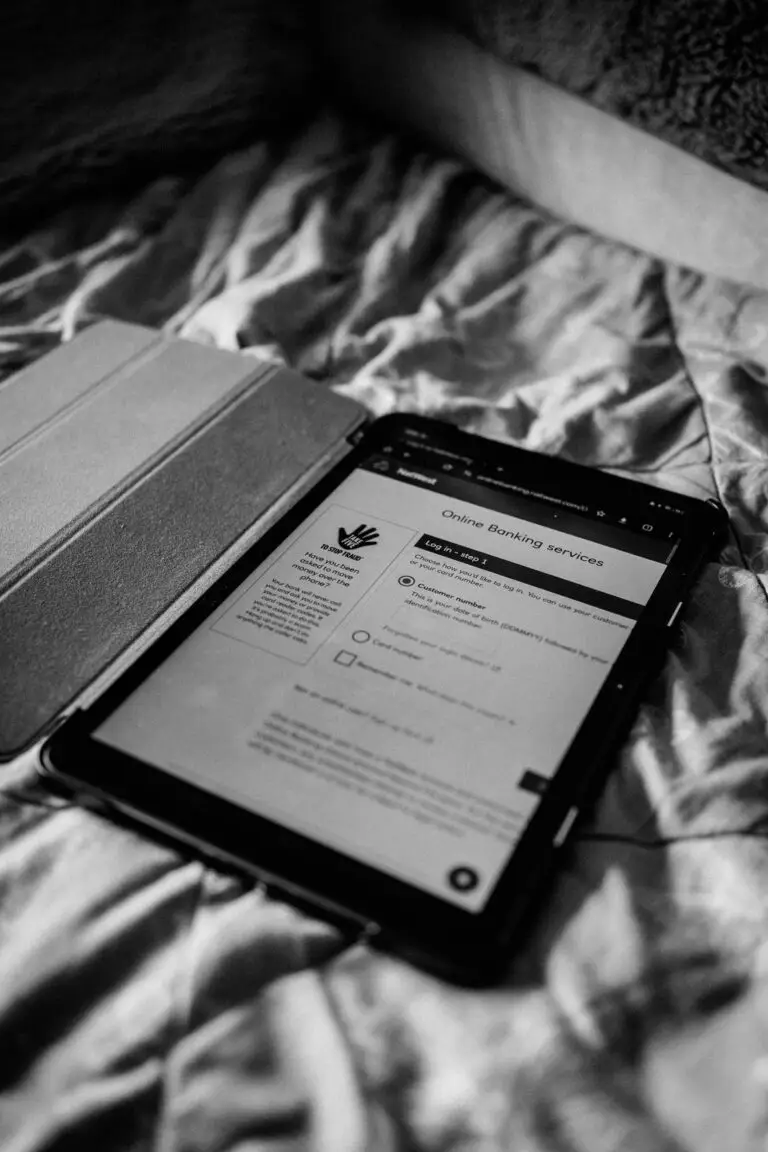
He took control of my banking, wanting to know every penny I had and where it went. I couldn’t have my own money. He watched everything. He’d even take cash from my account, moving it to his if he thought I had too much.
I dreamed of using that money to break free, but there was no hiding it from him. Every time I thought I had enough, he’d take it away.
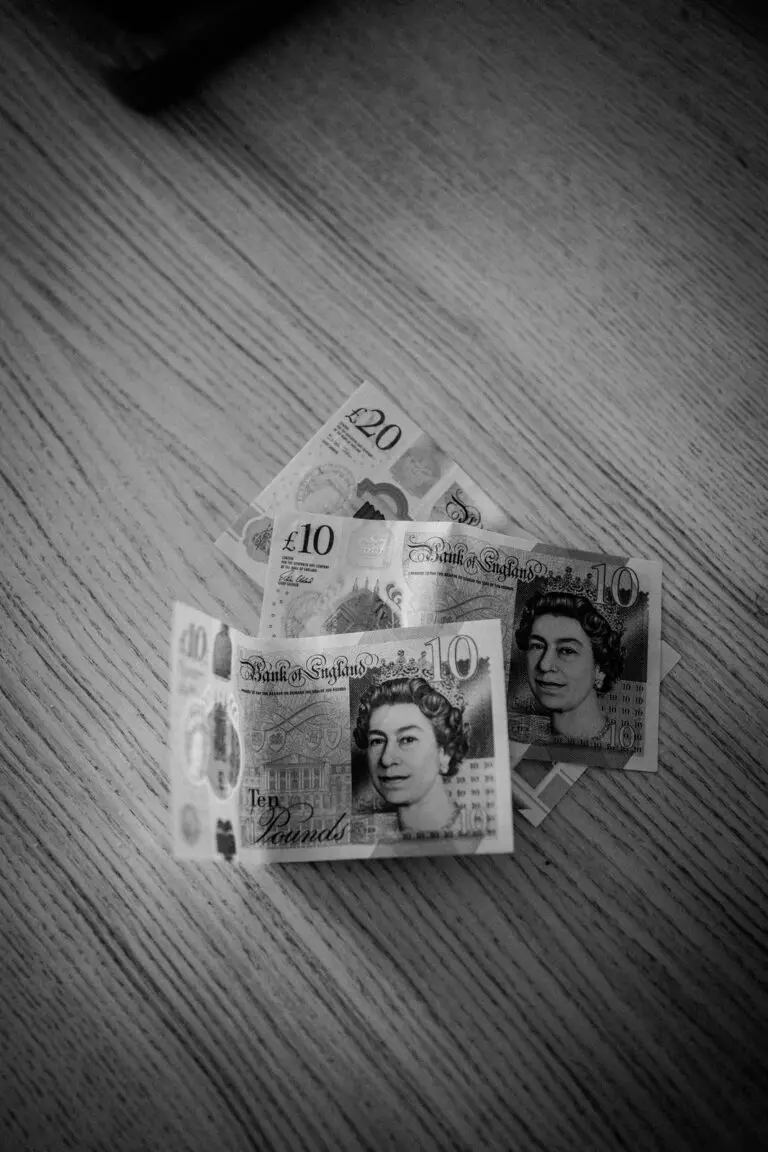
She would leave money on the table. It made me feel cheap that she would never give it to me. Said it was for the shopping. I had to make it stretch, get everything on her list, no excuses.
Sometimes, though, it wasn’t enough, and I’d have to beg or steal to get everything. Couldn’t go back without it all, it made her mad.
I tried to use it once to make a break for it, but she tracked me down. There was no escape.
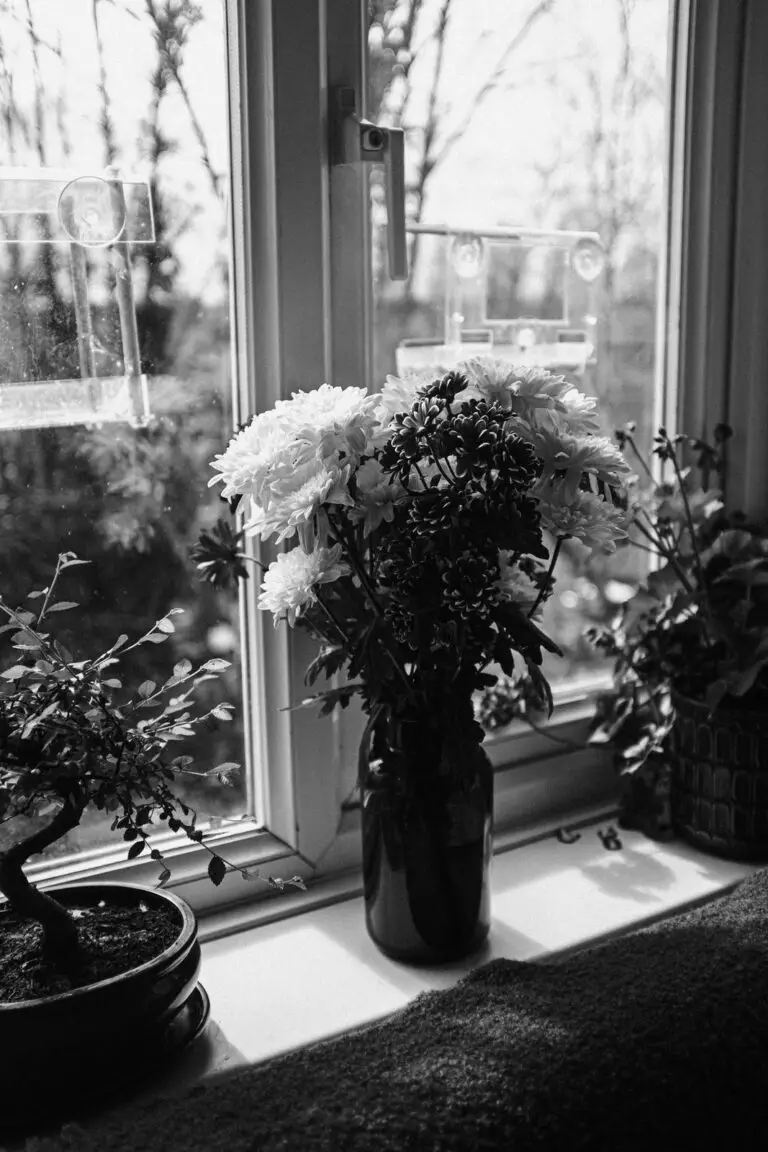
I used to leave flowers in the window, like my own secret signal to the world. It felt comforting, like a silent message saying I was okay.
But on days when I forgot, I got scared. What if someone noticed the missing flowers and came looking? What would happen if she answered the door? She would find out what I was doing.
I still put flowers in my window now. Now that I am safe. I just want to let people know.
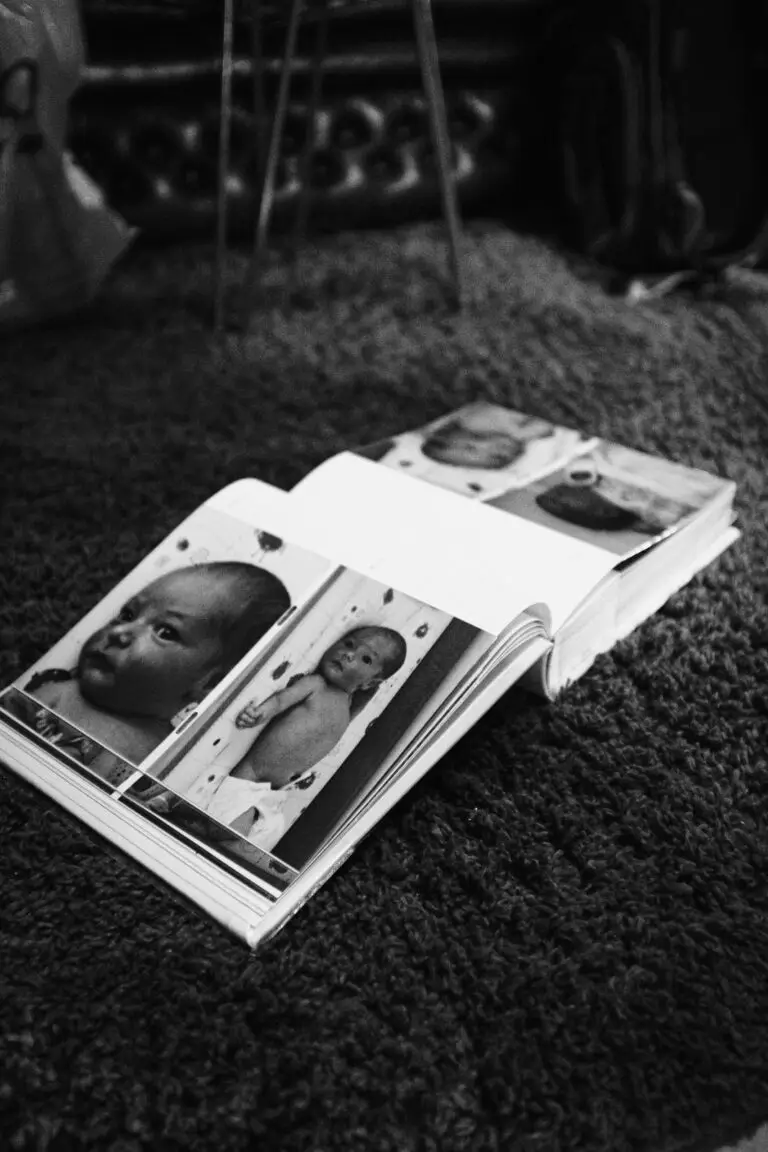
That photo album meant everything to me. He cut me off from everyone, even my own kids. And that album, it was my only escape, my link to happier times. But now, even that feels tainted, like I’m losing everything that mattered to me.
It’s not fair. It’s just not fair.